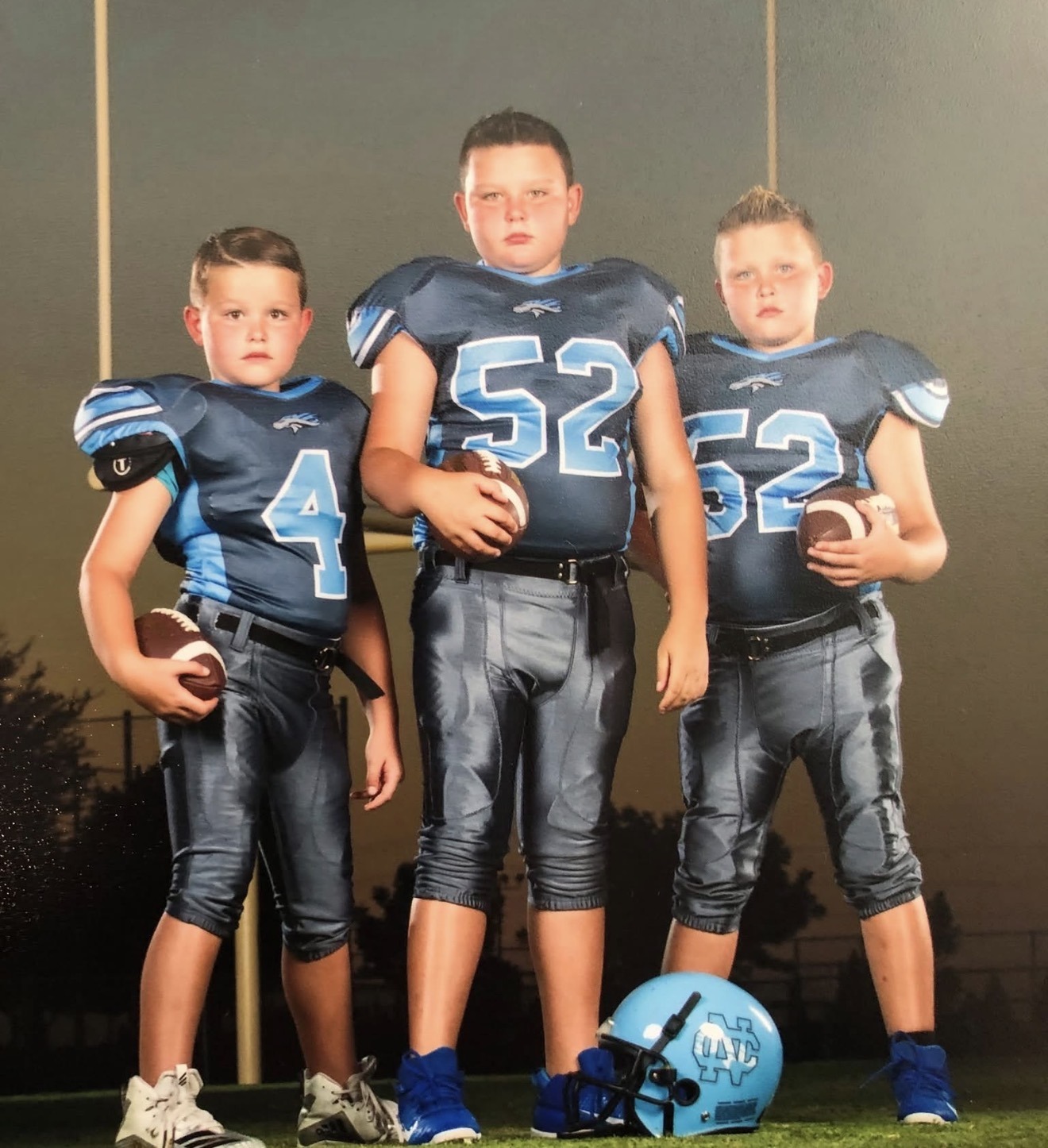
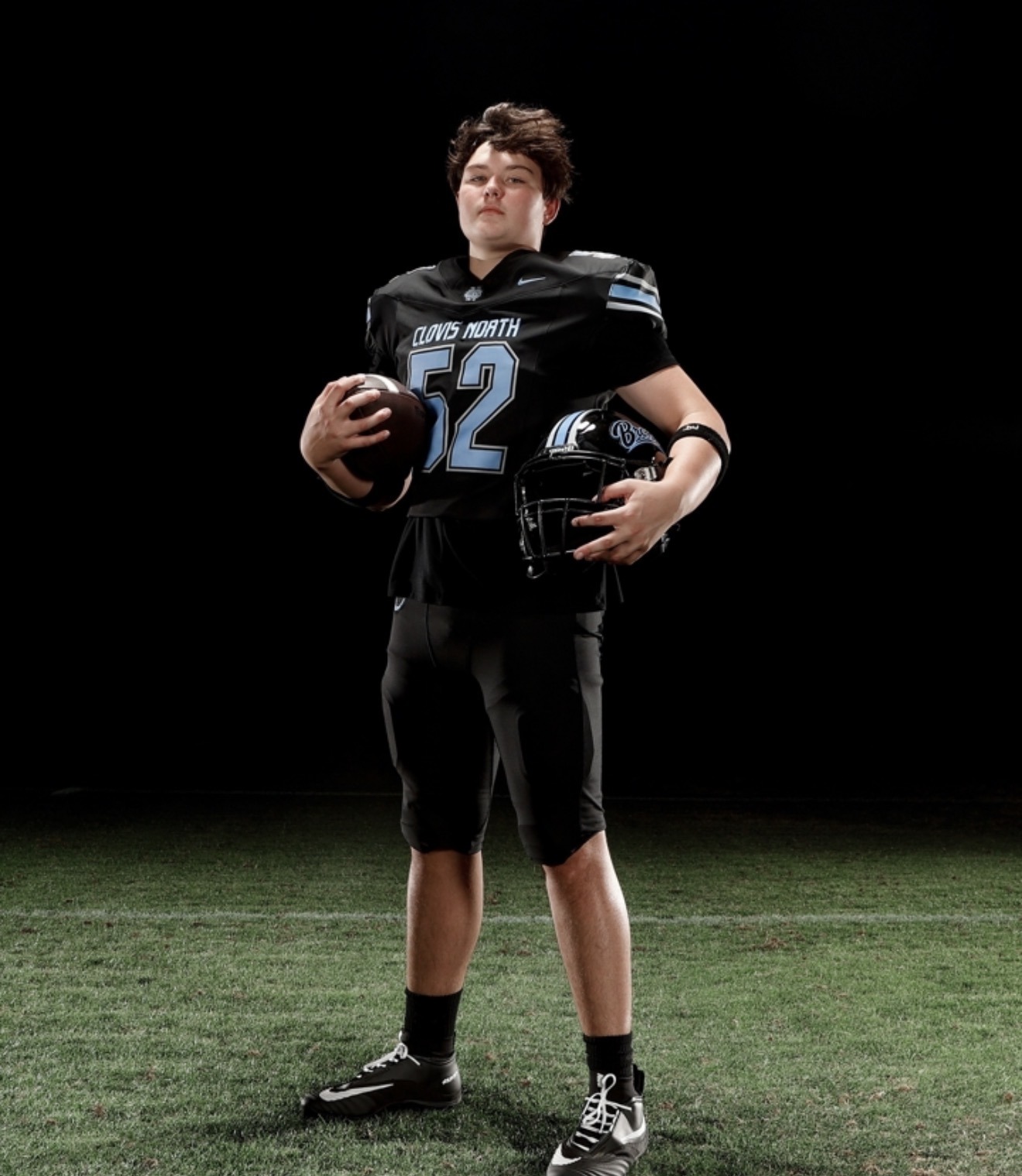
The defensive end across from me has sixty pounds on me.
He knows it. I know it. Everyone in the stadium can see it.
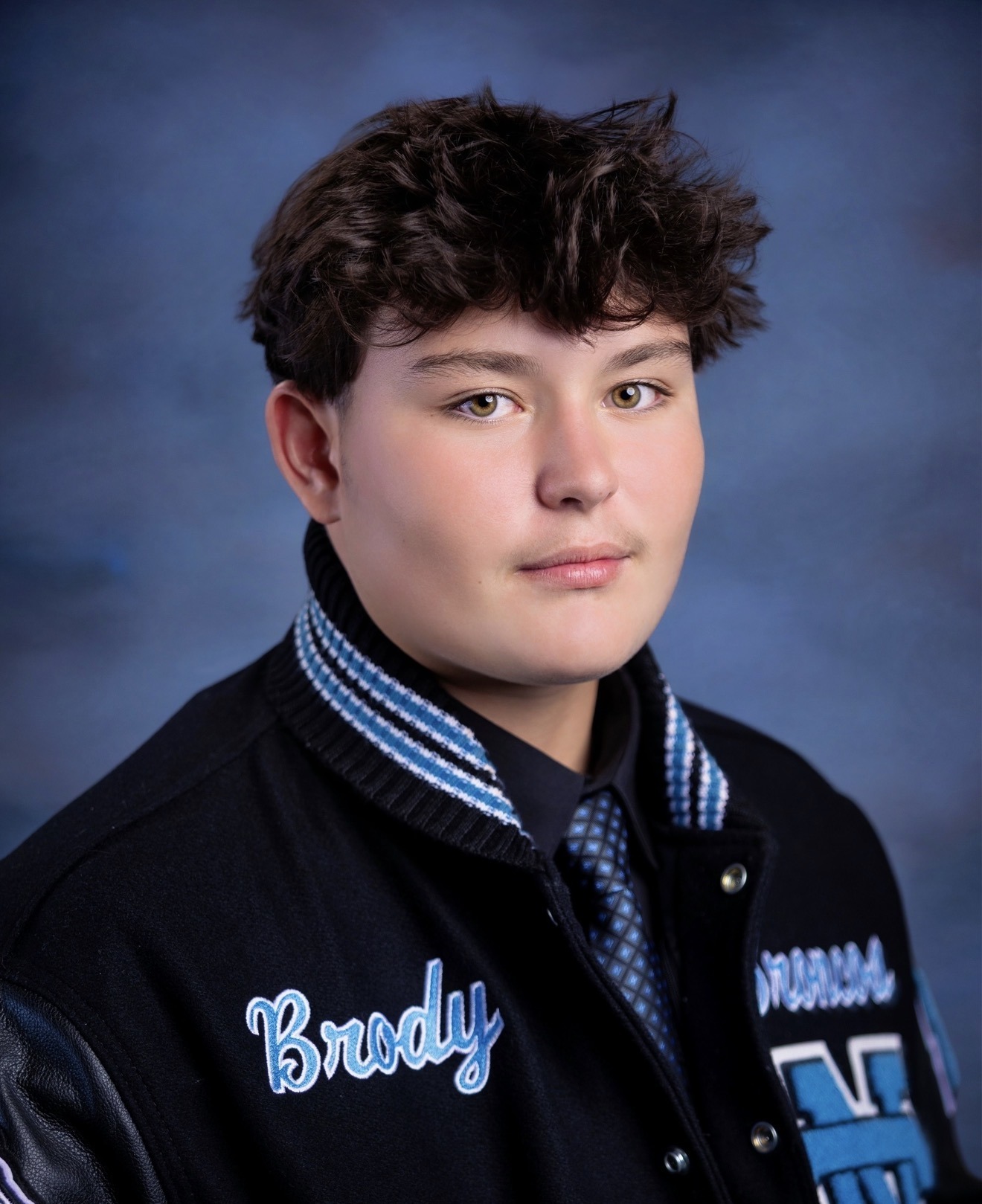
Under the Friday night lights, he settles into his stance and looks across the line at the 195-pound left tackle assigned to stop him. At 6'2", I am undersized for my position, especially compared with the 250- and 280-pound players I routinely face. He smirks.
I smirk back.
The ball snaps.
He explodes forward, trying to bull-rush straight through me. He expects his size to win the battle. Instead, I drop my hips, stay low, strike with my inside hand, and use his momentum against him. A second later, he is on the ground.
Pancake.
For a moment, the crowd is just noise. I turn back toward the huddle.
One play down.
That block looks physical, but the work behind it is mostly mental. I had watched this defender on film. I knew how he lined up before a bull rush and how aggressively he attacked smaller linemen. I knew I could not beat him by trying to become something I wasn't.
I had to beat him by being better at what I could control.
Technique. Preparation. Leverage. Timing.
I cannot rely on brute mass, so every movement matters. My feet have to be right. My hands have to be precise. I have to recognize what a defender is doing almost before he does it.
That mindset follows me away from the football field. My GPA comes from the same instinct that makes me rewind game film: I want to understand how things work. I like breaking complicated problems into smaller pieces, studying patterns, and figuring out what needs to happen next.
By the end of my junior season, those small decisions had added up to 23 pancake blocks and the honor of being named Clovis North Lineman of the Year.
But the number I remember most isn't 23.
It's five.
Five offensive linemen standing shoulder to shoulder.
Football taught me quickly that an offensive lineman can execute his assignment perfectly and still fail if the person beside him does not understand his. That realization changed the way I thought about leadership. Being a captain couldn't simply mean playing well myself. I needed to help the entire line play better.
So I began spending extra time with our younger linemen, watching film and working through blocking techniques that had taken me years to learn. I showed them how a few inches in foot placement could change an entire play and how preparation could give them an advantage before the ball was ever snapped.
Then one of those younger linemen became especially important to me.
My brother.
When he began taking snaps at center, football suddenly felt different. I would settle into my stance at left tackle, look down the line, and see him there beside me. The techniques and lessons I had spent years developing were no longer just helping me protect our quarterback. I was passing them to him.
Before a snap, there isn't much time for conversation. Sometimes it's a word. Sometimes it's a glance. Sometimes neither is necessary.
We both know our assignment.
The ball moves, and so do we.
Someday, the stadium lights will shut off for the last time. I know football will not always give me a line of scrimmage where the challenge is directly in front of me. But I also know that what I learned there will follow me.
I want to study business and eventually work on the business side of sports, where preparation, strategy, leadership, and split-second decisions matter in a different arena. I want to understand what makes organizations successful and how strong leaders turn individuals into teams.
Football has already given me my first lesson.
The biggest person does not always win.
The person who studies the problem, trusts his preparation, executes when the pressure arrives, and makes the people beside him better has a chance against anyone.
The defensive end across from me doesn't know any of that when he lines up.
He just sees 195 pounds.
I see an opportunity.